June 3, 2026

branding

Branding iron definition sets the stage for this enthralling narrative, offering readers a glimpse into a story that is rich in detail and brimming with originality from the outset. A branding iron, traditionally used to mark livestock, has evolved into a symbol of identity and craftsmanship across various cultures. From its historical roots to modern applications, this tool reflects the intersection of art, tradition, and technology.

As we delve into the world of branding irons, we will explore their types, uses, manufacturing processes, and the legal and ethical considerations that accompany them. Each section provides insights into how branding irons not only serve practical purposes but also resonate with cultural significance and innovation.

Definition of Branding Iron

A branding iron is a tool used for marking livestock, property, or various materials with a specific design or symbol. This tool often consists of a metal rod with a heated end, featuring a unique insignia that serves to identify ownership. Branding irons are not only functional but also carry significant cultural and historical meaning across different societies.The materials commonly used to fabricate branding irons include steel and iron, thanks to their durability and ability to withstand high temperatures.

The branding end of the iron is often crafted from a solid piece of metal that can retain heat, ensuring the mark is crisp and permanent. Wood is sometimes used for the handle to provide a comfortable grip while keeping the user safe from the heat.

Historical Significance of Branding Irons

Branding irons have played a crucial role in various cultures throughout history, primarily in agriculture and trade. Their significance can be best understood through the following points:

  • In ancient civilizations, branding was a method of marking ownership to prevent theft, especially in pastoral societies where livestock was a primary asset.
  • Branding practices were documented in ancient Egypt, where cattle were marked with hieroglyphs to signify their owner.
  • In the American West, branding irons became a symbol of identity for ranchers, with unique designs representing individual ranches, thereby fostering a sense of community and belonging.
  • Many indigenous cultures utilized similar techniques for marking possessions, which signified status and lineage, thereby intertwining branding with their cultural identity.

The symbolism of branding extends beyond mere ownership; it embodies tradition and the connection between people and their land or animals. As societies evolved, the practice of using branding irons has adapted, but their essence remains integral in defining ownership and identity across generations.

Types of Branding Irons

Branding irons are essential tools for marking products, livestock, or even artwork, ensuring ownership and identity are clearly communicated. This discussion will delve into the various types of branding irons, highlighting their traditional and modern iterations, as well as the customization options available to suit different needs and preferences.

Traditional Branding Irons

Traditional branding irons have been used for centuries, primarily in agriculture for marking livestock. These are typically made of metal and can be heated in a fire or on a hot plate. The simplicity of traditional branding irons lies in their design, which often consists of a single symbol or letter that represents a brand. The effectiveness of these tools is highlighted by their capacity to create a lasting mark that can withstand the test of time.

Examples of traditional branding include ranchers marking cattle with distinctive symbols to signify ownership.

Modern Branding Irons

Modern branding irons have evolved with technology, introducing electric branding irons that heat up quickly and are easier to handle. These devices allow for more precision and control, making them ideal for detailed designs. Modern branding irons can include features like adjustable temperature settings, providing versatility for different materials such as wood, leather, or plastic. For instance, an electric branding iron can create intricate patterns that would be challenging to achieve with a traditional iron.

This advancement in branding technology opens up new avenues for branding artisans and small businesses, enhancing their product presentation.

Customization Options for Branding Irons

The customization of branding irons offers a significant advantage for businesses and individuals seeking a unique identity. Custom designs can include logos, names, or specific symbols tailored to an individual or company’s brand. Here are some customization options available:

  • Customized logos: Many branding services allow for the design of custom logos to be etched onto branding irons, providing a professional look.
  • Variety of fonts: Different fonts can be selected for lettering, ensuring that the brand’s personality is conveyed through text.
  • Special symbols: Unique symbols can be designed that reflect the ethos or identity of a brand, making it stand out.
  • Adjustable sizes: Branding irons can also be made in various sizes, accommodating different branding needs, from small items like leather goods to larger surfaces like furniture.

“Custom branding irons enhance brand visibility and create a lasting impression on customers.”

These diverse types of branding irons, ranging from traditional to modern, along with their customization options, provide ample opportunities for individuals and businesses to effectively communicate their identity and values through innovative branding techniques.

Uses of Branding Irons

Branding irons have a rich history and continue to play significant roles in various industries and practices today. Their primary uses range from traditional livestock management to modern artisanal crafts, as well as special events and ceremonies. By understanding their utility, we can appreciate the versatility and importance of branding irons in contemporary society.

Livestock Management

Branding irons are essential tools in livestock management, particularly for farmers and ranchers. They serve as a means of marking animals for identification, ownership, and health monitoring. This practice is crucial in maintaining herds and ensuring that livestock can be easily tracked.

  • Cattle Branding: In cattle ranching, brands are often used to signify ownership. Each ranch has a unique brand that helps in identifying their cattle in shared grazing lands. For example, a rancher might use a branding iron to mark their cattle with a specific symbol or initials to prevent theft and claim ownership.
  • Horse Identification: Similar to cattle, horses may also be branded. This branding can help to identify a horse’s lineage, ownership, and ensure that they are returned if lost. Many equestrians still use branding as a way to uphold pedigree records.
  • Health Monitoring: Branding can also be used to mark animals that have received certain vaccinations or treatments. For instance, a brand might indicate that a cow has been vaccinated against a specific disease, aiding farmers in managing their herd’s health efficiently.

Artisanal Crafts and Branding Products

Branding irons are also widely used in artisanal crafts and product branding. Artisans employ these tools to create unique marks or designs on their creations, enhancing their products’ reputation and authenticity.

  • Woodworking: Craftsmen often use branding irons to imprint their logos or signatures on handmade wooden items such as furniture, cutting boards, and toys. This not only serves as a mark of quality but also helps to create a personal connection between the artisan and the consumer.
  • Leather Goods: Leather artisans use branding irons to stamp their products, which can range from bags to wallets and belts. The branding process adds a touch of sophistication and signifies craftsmanship, appealing to customers who appreciate unique, handmade items.
  • Food Products: Branding irons can be used in the food industry as well, particularly for items like artisanal bread or specialty meats. For example, bakers might brand their loaves with a signature design that reflects their bakery’s identity, while charcuterie makers may label their products to signify quality and authenticity.

Events and Ceremonies

The use of branding irons extends into events and ceremonies, serving as memorable symbols of special occasions. They can be utilized to enhance the thematic elements of an event or to commemorate significant milestones.

  • Weddings: Couples sometimes incorporate branding irons into their wedding ceremonies, branding a shared symbol or their initials into wood or leather during the ceremony. This acts as a physical representation of their union and becomes a cherished keepsake.
  • Corporate Events: Companies may use branding irons to imprint their logos on promotional items or gifts during corporate gatherings. This unique approach adds a tangible and memorable touch to corporate gifts, making them stand out.
  • Community Festivals: Branding irons can also be featured at local festivals where artisans demonstrate traditional branding techniques. This not only educates the public on the art of branding but also fosters a sense of community and heritage.

Manufacturing Process

Viral Design Collection: What’s the difference between Brand, Branding ...

Creating a branding iron involves a meticulous manufacturing process that ensures precision and durability. This process typically includes several stages, from selecting the right materials to engraving intricate designs. Understanding each step is essential for producing high-quality branding irons that can withstand repeated use without losing their effectiveness. The following sections will Artikel the detailed steps involved in manufacturing a branding iron, techniques for engraving designs, and essential safety measures to adhere to during the process.

Step-by-Step Process of Creating a Branding Iron

The manufacturing of branding irons is a systematic approach that requires attention to detail. Here are the steps typically involved:

1. Material Selection

High-quality steel or brass is commonly chosen for its durability and ability to retain heat.

2. Cutting the Metal

The selected metal is cut to the desired size and shape, forming the base of the branding iron.

3. Design Creation

The design is either hand-drawn or created using computer software, ensuring that it meets the specifications for the branding iron.

4. Engraving the Design

The design is transferred onto the metal using engraving techniques, which will be discussed in detail in the next section.

5. Heat Treatment

The branding iron undergoes heat treatment to enhance its hardness and longevity.

6. Finishing Touches

The final steps include polishing and coating the branding iron to prevent rust and improve aesthetics.

7. Testing

Before being sold or used, the branding iron is tested to ensure it produces a clean and clear mark.

Techniques for Engraving Designs

Engraving the design onto a branding iron is a crucial step that determines the quality of the final product. Different techniques are employed, including:

Hand Engraving

A traditional method where artisans use handheld tools to carve designs into the metal. This technique allows for intricate detailing but requires significant skill and time.

Laser Engraving

A modern technique that uses laser technology to engrave designs. This method is highly precise and can produce complex designs quickly and efficiently.

Electro-Erosion

This process involves using electrical discharges to erode the metal and create the desired design. It’s particularly useful for producing fine details and intricate patterns.

Each of these techniques has its advantages and is chosen based on the complexity of the design and production efficiency.

Safety Measures During the Manufacturing Process

Safety is paramount in the manufacturing process of branding irons to prevent accidents and injuries. The following safety measures should be strictly followed:

Personal Protective Equipment (PPE)

Workers should wear appropriate PPE, such as gloves, goggles, and heat-resistant clothing, to protect against burns and metal splinters.

Ventilation

Proper ventilation is essential, especially when using tools that generate fumes or dust, to ensure a safe working environment.

Tool Safety

All machinery and tools should be regularly inspected and maintained to ensure they are in good working condition and safe to use.

Training

Workers should receive comprehensive training on the safe handling of materials and equipment to minimize risks during the manufacturing process.

By adhering to these steps and safety measures, manufacturers can produce high-quality branding irons while ensuring the safety and well-being of their workers.

Legal and Ethical Considerations

The use of branding irons, particularly on livestock and property, is surrounded by a web of legal and ethical implications. These considerations play a crucial role in ensuring that branding practices are carried out responsibly and align with societal norms and regulations. Understanding these aspects is essential for anyone involved in the branding process, whether in agriculture, ranching, or other industries.Legal implications of using branding irons on livestock and property are governed by a combination of state and federal laws, which vary significantly across regions.

In many jurisdictions, there are specific laws that mandate how branding must be conducted to ensure the welfare of the animals involved. This includes regulations on the age, method, and timing of branding. For instance, failing to comply with these laws can result in fines, confiscation of livestock, or even criminal charges in severe cases.

Regulations Governing Branding Practices

Numerous regulations exist to standardize branding practices and protect livestock from unnecessary harm. These regulations typically focus on the following key areas:

  • Animal Welfare Laws: Many regions have enacted laws to protect animals from cruelty. Branding practices must adhere to these laws, ensuring that the procedure is performed humanely and with minimal pain.
  • Identification Requirements: Some states require that branding must be done in a specific location on the animal and must be registered with a governing body to prevent duplication and ensure traceability.
  • Heat and Method Regulations: Laws exist that stipulate the type of heat source used for branding and the methods employed to minimize the risk of injury to the animal.
  • Environmental Considerations: Regulations can also take into account the environmental impact of branding practices, requiring measures to ensure that the process does not harm the surrounding ecosystem.

Ethical concerns surrounding the use of branding irons span various industries, particularly in agriculture and livestock management. Critics argue that branding can be inhumane and cause unnecessary pain to animals. This has led to a growing movement advocating for alternative identification methods such as microchipping or tagging, which eliminate the need for branding altogether.

“Ethical branding practices should prioritize animal welfare while still maintaining effective identification methods.”

In addition to animal welfare, ethical considerations also extend to the implications of branding on property. When branding property or equipment, there are potential concerns regarding ownership disputes and the risk of misidentification. Properly documenting and registering branding marks can help mitigate these issues and foster fair practices.Overall, the legal and ethical landscape surrounding branding irons is complex, and individuals involved in branding must remain informed and compliant with applicable regulations.

Through responsible practices, stakeholders can uphold both animal welfare and property integrity, ensuring alignment with societal values and legal standards.

Cultural Impact of Branding Irons

Branding irons, while primarily associated with livestock and property identification, have transcended their utilitarian roots to become significant cultural symbols in various societies. Their impact on cultural identity is profound, as they embody tradition, craftsmanship, and heritage. Throughout history, branding irons have served as tools of expression and representation, reflecting the values and artistry of the cultures that utilize them.

Branding irons play a pivotal role in traditional crafts and heritage preservation. In many cultures, they are not only functional tools but also artistic expressions that convey stories and histories. Skilled artisans use branding irons to create intricate designs, often reflecting local motifs and styles. This process helps to keep alive age-old techniques, ensuring that cultural practices are passed down through generations.

Moreover, the use of branding irons in crafts can serve as a means of economic support for artisans, allowing them to maintain their cultural legacy in contemporary markets.

Influence on Cultural Identity

The branding iron’s symbolic significance varies across different cultures, often serving as a mark of identity and belonging. In some Native American tribes, for instance, branding irons are used to signify tribal affiliation and heritage. Each design tells a story or represents a clan, linking individuals to their ancestors and community. Similarly, in various African cultures, branding is utilized not only for livestock but also as a rite of passage, marking an individual’s entry into adulthood or community membership.

Such practices highlight how branding irons can be deeply intertwined with social and cultural narratives.

Role in Traditional Crafts and Heritage Preservation

Craftspeople across the globe incorporate branding irons into their work, thus sustaining traditional arts. The following examples illustrate how branding irons contribute to cultural heritage:

  • Leather Crafting: In many cultures, artisans use branding irons to mark leather goods with unique designs. This practice not only enhances the product’s aesthetic appeal but also signifies authenticity and craftsmanship.
  • Woodworking: Some woodworkers employ branding irons to imprint logos or decorative patterns that reflect regional artistry, allowing them to tell a story through their creations.
  • Ceramics: In certain regions, potters use branding irons to add intricate designs to their pottery, which are often symbolic and rooted in cultural storytelling.

Comparative Use Across Cultures

The significance of branding irons can differ significantly across cultures. For example, in European countries, branding has historically been associated with ownership and property rights, often marking livestock for identification. In contrast, in the Americas, branding has evolved into an art form, with indigenous communities using it to reflect their identity and heritage.

Cultural differences in branding iron applications are illustrated in the following table:

Culture Usage Significance
Native American Tribal identification Symbol of community and ancestry
African Rites of passage Marking social status and identity
European Property ownership Legal identification and heritage

The cultural impact of branding irons thus encompasses a rich tapestry of meanings and functions, reflecting the diverse ways in which societies express their identities and preserve their traditions.

Future Trends in Branding Irons

As branding irons continue to evolve, various trends are emerging that will shape their design and use in the coming years. The integration of technology and the shifting cultural landscape are expected to drive innovation, leading to branding irons that not only serve their traditional purpose but also adapt to modern demands and ethical considerations.Technological advancements are paving the way for smarter branding solutions.

The incorporation of digital printing techniques into the branding process allows for increased customization and efficiency. Brands can now create intricate designs and logos that were previously impractical with traditional methods. This shift towards digitalization not only enhances creativity but also streamlines the production process, making it easier for businesses to meet consumer demands.

Emerging Trends in Branding Iron Design

The design of branding irons is evolving to meet user preferences and technological advancements. Consider the following trends that are shaping how branding irons are crafted and utilized:

  • Customizable Designs: Modern branding irons can now feature interchangeable plates, allowing businesses to switch designs easily. This flexibility caters to a diverse range of products and branding needs.
  • Portable Options: Lightweight and battery-operated branding irons are becoming popular, enabling ease of use at various locations, from farms to craft fairs.
  • Eco-Friendly Materials: Brands are increasingly looking for sustainable solutions. New materials and processes are being developed that minimize environmental impact while maintaining effectiveness.
  • Ergonomic Designs: Improved handles and grip designs make branding irons easier to use for extended periods, reducing strain on the user.

Technological Advancements Impacting the Industry

Technological innovations are transforming the branding iron industry, allowing for enhanced functionality and versatility. Key advancements include:

  • Laser Technology: Laser branding can achieve high precision and detail, making it possible to create complex designs with accuracy and minimal heat damage to materials.
  • Integration with CAD Software: The use of computer-aided design (CAD) software allows for the creation of detailed 3D models of branding irons, improving the prototyping phase and reducing production time.
  • Smart Branding Solutions: IoT (Internet of Things) technology is beginning to be applied, where branding irons could be connected to apps for real-time monitoring of temperature and pressure during the branding process.

Vision for Branding Irons in a Digital Age

Considering the rapid developments in technology and changing consumer expectations, the future of branding irons is likely to be characterized by several key factors:

  • Personalization: The demand for personalized products is on the rise. Branding irons will evolve to enable more detailed and unique designs that cater to individual consumer preferences.
  • Enhanced User Experience: The usability of branding irons will continue to improve, with features that simplify operation and enhance safety for users.
  • Global Reach: E-commerce growth means businesses are looking for branding solutions that can be easily shipped and adopted worldwide, pushing innovation in packaging and design.
  • Sustainability: As consumers become more environmentally conscious, the push for sustainable production methods and materials will gain momentum, influencing branding iron manufacturing practices.

“The future of branding irons lies in their ability to innovate, adapt, and meet the demands of a digital-savvy consumer base.”

Ultimate Conclusion

In conclusion, the journey through the branding iron definition illuminates its multifaceted role in our society. This tool, once limited to livestock management, now represents a blend of heritage, artistry, and modernity. Whether used in agricultural settings, artisanal crafts, or cultural ceremonies, branding irons continue to leave their mark—both literally and figuratively—on the world.

Frequently Asked Questions

What is a branding iron made of?

Branding irons are typically made of metal, such as steel or iron, which can withstand high temperatures for effective branding.

Are there different sizes of branding irons?

Yes, branding irons come in various sizes to accommodate different branding needs, from small designs to large logos.

Can branding irons be customized?

Absolutely! Branding irons can be customized with different designs, logos, and text to suit individual preferences.

How are branding irons heated?

Branding irons can be heated using various methods, including propane torches, electric heating elements, or hot coals.

What are the safety measures when using branding irons?

It is essential to wear protective gear, such as gloves and goggles, and to work in a well-ventilated area to prevent injuries and accidents.
Crafting a compelling logo for your wood burning tool is crucial for establishing a strong brand identity. This guide delves into the essential aspects of designing a branding iron logo, from conceptualization to practical application, ensuring a lasting visual impact. It covers various logo styles, technical considerations, and branding strategies.

The design process should reflect the unique characteristics of the tool and resonate with your target audience. Understanding the symbolism, visual appeal, and practical implications of the logo will be paramount in achieving success.

Logo Design Concepts for Wood Burning Tools

A well-designed logo is crucial for establishing a strong brand identity for wood burning tools. A logo acts as a visual representation of the brand, communicating its values, and creating a lasting impression on potential customers. The design should reflect the quality, craftsmanship, and specific nature of the tools.

Logo Design Concepts

Different styles of logos can effectively convey the essence of wood burning tools. Consideration should be given to the target audience and the overall brand image. A minimalist design might appeal to modern customers, while a rustic design could resonate with those seeking traditional craftsmanship.

  • Minimalist Design: This style emphasizes simplicity and clean lines. A logo could feature a stylized representation of a branding iron, perhaps with a single, bold Artikel. The color palette would likely be monochromatic or feature a subtle color gradient. The focus would be on clarity and impact.
  • Rustic Design: This style evokes a sense of warmth and tradition. The logo might depict a hand-carved branding iron, placed against a background of aged wood or a simple, textured backdrop. A rustic color palette featuring warm tones like browns, grays, and dark reds would enhance the design’s aesthetic.
  • Modern Design: This style utilizes contemporary elements and shapes. The logo might showcase a branding iron with sleek, geometric forms and a metallic sheen. A bold, contrasting color palette would likely be used to create visual impact.
  • Abstract Design: This approach focuses on symbolic representations rather than literal depictions. The logo might incorporate stylized flames or wood grain patterns. A strong color palette that complements the abstract elements is key to success.
  • Illustrative Design: This style directly illustrates the functionality of the branding iron. The logo might showcase a branding iron being used on wood, leaving a clear impression of its purpose. A careful selection of colors will be crucial in conveying the craftsmanship and the beauty of the process.

Craftsmanship and Quality Logo

A logo that effectively communicates craftsmanship and quality for a wood burning tool should feature meticulous detail and high-quality execution. The imagery should evoke a sense of precision and skill. A subtle, elegant design, or a graphic representation of the tool’s process, such as the mark left on wood, would be appropriate.

Symbolism in Logo Design

Using appropriate symbolism can elevate a logo’s impact. Symbols like flames, wood, or tools directly relate to the product. Flames can symbolize the heat and controlled power of the tool. Wood can represent the material being worked on, and the tools can be the direct representation of the product.

Logo Design Concept Description Suggested Color Palette
Minimalist Clean lines, simple shapes, and a single branding iron Artikel. Black and gray or a subtle blue-gray gradient.
Rustic Hand-carved branding iron, aged wood background. Warm browns, grays, and dark reds.
Modern Sleek branding iron with geometric forms and metallic sheen. Silver, dark gray, and a bold accent color like deep red or electric blue.
Abstract Stylized flames or wood grain patterns. Deep brown, orange, and gray, or a combination of deep reds, black, and gold.
Illustrative Branding iron in use on wood, showing the mark left. Warm browns, oranges, and dark grays.

Branding Iron Logo Styles

Branding iron logos, like any logo design, need a distinct style to effectively communicate the brand’s personality and values. Careful consideration of the logo’s visual style can significantly impact the overall perception of the wood burning tool. This section explores various logo styles, providing examples and analyses of their suitability for branding irons.Understanding different branding iron logo styles allows for a more strategic and effective visual representation of the brand.

A well-chosen style can create a strong and lasting impression on potential customers, helping them identify and connect with the brand quickly.

Identifying Distinct Branding Iron Logo Styles

Different branding iron logo styles can evoke various emotions and associations. Choosing the right style is crucial to aligning the logo with the brand’s intended message.

  • Geometric Styles: Geometric logos use precise lines, angles, and shapes to create a clean, modern, and structured appearance. These styles are often associated with precision, efficiency, and a strong, dependable brand image. A geometric branding iron logo might feature clean lines and sharp angles resembling the precise cuts achievable with a high-quality branding iron. An example could involve a stylized hexagon or triangle, symbolizing the controlled nature of the burning process.

  • Organic Styles: Organic logos utilize flowing, curved lines and natural shapes to convey a sense of warmth, creativity, and a more personalized experience. These styles are frequently employed to project an approachable and user-friendly brand. A branding iron logo with an organic style might feature a natural-looking flame or a swirling pattern resembling the heat of the branding process, evoking a sense of artistry and warmth.

  • Illustrative Styles: Illustrative logos often depict a more detailed image of a branding iron or its use, or a related symbol such as an animal or nature motif. These styles can convey a sense of craftsmanship, tradition, or specific use cases. An illustrative logo could show a craftsman skillfully using a branding iron to mark a piece of wood, or it could depict a stylized animal or nature motif, representing the strength or beauty of the brand.

  • Abstract Styles: Abstract logos use symbolic shapes and colors to convey the brand’s essence without a literal representation. These styles can create a more modern, mysterious, or high-end perception. An abstract branding iron logo might use shapes reminiscent of fire, heat, or even the distinctive mark left by a branding iron. This approach could create a sense of innovation and sophistication.

  • Vintage Styles: Vintage logos evoke a sense of history, tradition, and craftsmanship. These styles are often characterized by a more traditional design, with an aged look or vintage typography. A vintage branding iron logo might use old-fashioned fonts or include details like decorative flourishes or an antique-style illustration of the branding iron, conveying a sense of heritage and experience.

Comparing and Contrasting Logo Styles

Logo Style Characteristics Strengths Weaknesses
Geometric Clean lines, precise shapes Modern, professional, strong Can appear rigid or cold
Organic Flowing lines, natural forms Warm, inviting, approachable Can appear less structured
Illustrative Detailed imagery, specific elements Clear, memorable, easily understood Can be complex and time-consuming to create
Abstract Symbolic shapes, colors Unique, modern, sophisticated Can be harder to understand without explanation
Vintage Traditional design, aged look Nostalgic, trustworthy, handcrafted Can appear outdated or less modern

Fonts and Their Visual Impact

Choosing the right font can significantly impact the overall look and feel of a branding iron logo. The font’s style, weight, and size contribute to the logo’s visual hierarchy and readability.

Font Visual Impact Suitable Logo Styles
Sans-serif (e.g., Arial, Helvetica) Modern, clean, straightforward Geometric, Abstract, Illustrative
Serif (e.g., Times New Roman, Garamond) Traditional, elegant, sophisticated Vintage, Organic
Script (e.g., Brush Script MT, Copperplate) Elegant, artistic, expressive Organic, Vintage, Illustrative
Display (e.g., Impact, Rockwell) Bold, striking, attention-grabbing Geometric, Abstract, Illustrative

Technical Aspects of Branding Iron Logos

A well-designed branding iron logo must consider the unique characteristics of the product and its intended use. This includes its small size, heat resistance, and the diverse media in which it will be displayed. The logo’s technical aspects are crucial for ensuring its effectiveness across all applications.

Scalability and Clarity

Branding iron logos need to be highly scalable to appear clearly on the small branding iron itself, as well as on larger marketing materials. A complex or detailed logo will lose its impact when reduced to a small size. Simple, strong shapes and clear lines are essential. Consider using a vector-based design, which maintains quality at any size.

This ensures a crisp and professional image on the branding iron itself, regardless of its size.

Logo Translation Across Media

The logo must translate effectively across various media. For example, the logo should look equally good on a website, product packaging, social media graphics, and marketing materials like brochures or posters. Maintaining consistency in color palette, typography, and overall design style is paramount for brand recognition.

Logo Application on the Branding Iron

The choice of materials and application methods for the logo on the branding iron are critical. Heat-resistant materials like enamel or laser-etched designs are crucial for withstanding high temperatures. Embossing or intaglio techniques could be used for a raised or recessed effect. The choice depends on the specific branding iron’s design and functionality.

Negative and Positive Space Considerations

Effective use of negative and positive space can significantly enhance a logo’s impact. Negative space, the areaaround* the design, can create a sense of balance and visual interest. The logo should be designed to have sufficient contrast between positive (logo shape) and negative space for clarity, especially in smaller applications. Consider how the logo’s negative space elements will look on the branding iron, potentially creating a subtle branding effect around the actual branding shape.

Logo Design Examples for Different Media

Media Logo Design Example Description
Branding Iron A simple, bold “B” shape, with a slightly raised design. Heat-resistant enamel with a raised edge.
Website Same “B” shape, slightly larger, in a color that aligns with the brand. Vector format for scalability and crispness.
Packaging The “B” shape used as a watermark on a background design, with brand name. High-resolution image on a printed box or sleeve.
Social Media A stylized “B” graphic, with a consistent color palette and a clear brand name. Easy-to-read and shareable on various platforms.
Brochures/Posters The “B” logo incorporated into a larger design with supporting text. Clear visual hierarchy with ample white space for readability.

Branding Strategy for Wood Burning Tools

A robust branding strategy is crucial for wood burning tools, differentiating them from competitors and resonating with the target audience. A well-defined strategy helps establish a clear brand identity, communicates value effectively, and ultimately drives sales. This approach considers the unique selling proposition (USP) of the tools and emphasizes a targeted message.A successful branding strategy goes beyond simply creating a logo.

It encompasses a comprehensive approach that guides every aspect of the product’s presentation, from marketing materials to customer service. A consistent brand image reinforces the company’s values and builds trust with potential customers.

Target Audience Identification

Identifying the ideal customer profile is fundamental to developing an effective branding strategy. Wood burning tools cater to diverse user needs, ranging from hobbyists to professionals. Understanding the specific interests, skill levels, and motivations of each target group is critical. For instance, hobbyists might be drawn to tools with user-friendly designs and attractive aesthetics, while professionals might prioritize durability and precision.

Unique Selling Proposition (USP) Definition

Defining a clear USP is essential for standing out in the market. Consider what makes your wood burning tools different and better than competitors. Is it superior craftsmanship, innovative features, a wide range of accessories, or exceptional customer support? Articulating this unique value proposition in marketing materials is key to attracting the target audience. For example, a tool that boasts exceptional heat control and precision could highlight this feature as its USP.

Brand Messaging and Logo Relation

Brand messaging should be consistent with the logo design. The logo should visually represent the core values and promises of the brand. A logo reflecting precision and quality should have a sophisticated design, while a logo targeting hobbyists might use a playful, friendly style. The language used in marketing materials, website copy, and social media posts should mirror the logo’s visual identity and communicate the brand’s essence.

Successful Branding Strategy Examples

Several successful branding strategies in similar industries offer valuable insights. Companies like [Company X], known for their high-quality woodworking tools, emphasize craftsmanship and durability in their marketing materials, creating a trustworthy brand image. Likewise, [Company Y], focused on user-friendliness for hobbyists, employs a clear, approachable design aesthetic and easy-to-understand instructions.

Steps to Develop a Strong Brand Identity

Developing a strong brand identity involves several key steps:

  • Market research: Thorough market research helps understand competitors, identify trends, and determine customer needs. This informs the brand’s positioning and value proposition.
  • Brand values: Define core brand values that guide all aspects of the brand. For example, quality, innovation, customer service, or sustainability.
  • Brand voice: Establish a consistent and recognizable brand voice that reflects the brand’s values and target audience. This voice is crucial in all communication channels.
  • Brand guidelines: Develop comprehensive brand guidelines to ensure consistency in all visual and textual elements, from logo usage to website design and marketing materials.
  • Brand monitoring: Continuously monitor and adapt the brand to market changes and customer feedback.

Integrating Logo into Overall Brand Identity

The logo should be seamlessly integrated into the overall brand identity, ensuring consistency across all platforms. This includes:

  • Color palettes: Choose a color palette that aligns with the brand’s personality and target audience. Consider using complementary colors to enhance visual appeal and brand recognition.
  • Typography: Select fonts that match the brand’s voice and visual style. For example, a professional brand might use a clean, modern font, while a playful brand might use a more decorative font.
  • Imagery: Use imagery and photography that reinforce the brand’s personality and values. Consistent visual elements create a strong brand identity.

Logo Design Considerations for Wood Burning Tools

A well-designed logo is crucial for establishing a strong brand identity for wood burning tools. It serves as a visual representation of the brand, communicating its values, quality, and target audience. A compelling logo fosters brand recognition and customer loyalty, ultimately driving sales and market share.Effective logo design for wood burning tools requires careful consideration of several key elements, including visual appeal, memorability, legibility, and the impact of color choices.

A logo that is both aesthetically pleasing and functional is essential for success in this market.

Essential Features in a Wood Burning Tool Logo

Understanding the intended use and functionality of wood burning tools is vital for designing a relevant logo. A logo should effectively communicate the tool’s capabilities, such as precision, heat control, or ease of use. Key features to incorporate might include stylized representations of flames, wood textures, or even intricate patterns created by the tools. This visual connection helps customers instantly associate the logo with the product’s function.

Consider a simple, yet impactful design that conveys the essence of the tools’ craft without being overly complicated.

Visual Appeal and Memorability

Creating a logo that stands out requires a strong visual identity. Employing unique shapes, striking typography, and effective use of negative space are crucial for achieving this. A memorable logo is distinctive and easily recalled, enabling rapid brand recognition and differentiation from competitors. Using clean lines, bold strokes, or a stylized depiction of flames, wood, or tools can enhance visual appeal.

For example, a logo using a simple, geometric shape for the tool head, combined with stylized flames, can create a visually compelling and easily memorable image.

Logo Legibility and Clarity

Ensuring the logo remains clear and legible on various surfaces is paramount. This is particularly important for branding irons, which are often used on wood, metal, or other materials. The logo should be scalable and adaptable to different sizes and formats. Consider the various applications where the logo will appear, such as packaging, marketing materials, and even on the tools themselves.

Using high-contrast colors, ensuring proper spacing between elements, and using a simple, clear font will significantly improve the logo’s legibility on diverse backgrounds.

Impact of Color Choices

Color selection plays a significant role in shaping brand perception. Different colors evoke various emotions and associations. A logo’s color palette should align with the brand’s personality and target audience. For wood burning tools, consider using colors that suggest heat, precision, or craftsmanship. For example, deep reds and oranges can evoke a sense of warmth and energy, while blues or greys might suggest sophistication and durability.

Summary Table of Design Considerations

Design Consideration Explanation Example
Essential Features Incorporate elements representing tool function (flames, wood, etc.) A logo featuring a stylized flame and a simplified depiction of a branding iron.
Visual Appeal & Memorability Create a unique and distinctive design, easily recalled. A logo using a unique, abstract shape for the tool head with bold, clean lines.
Legibility & Clarity Ensure logo is clear and readable across various surfaces and sizes. A logo with high-contrast colors and a simple, legible font.
Color Impact Choose colors that align with brand personality and evoke appropriate emotions. A logo using deep reds and oranges for a sense of warmth, or a muted, professional blue for durability.

Illustrative Examples of Branding Iron Logos

A compelling logo is paramount for establishing a strong brand identity for wood burning tools. Effective logos for branding irons should resonate with the target audience, effectively communicating the product’s key attributes, including quality, craftsmanship, and intended use. The visual design of the logo should also be adaptable across various marketing materials.Illustrative examples showcase the diverse approaches to logo design for wood burning tools, highlighting how visual elements can be employed to communicate the essence of the brand.

By analyzing successful branding iron logos, aspiring designers can gain valuable insights into effective logo design strategies, translating brand values into visual representations.

Logo Examples and Their Brand Messages

Various visual styles can effectively convey the brand message of a wood burning tool. Logos should be memorable, easily recognizable, and adaptable to various applications.

  • Logo Example 1: The “Ember Embrace”
    -This logo features a stylized depiction of a branding iron with glowing embers surrounding it. The design evokes a sense of warmth, precision, and artistry. The color palette leans towards deep reds and oranges, further emphasizing the heat and passion associated with the craft. This design effectively communicates the tool’s ability to create intricate designs with precision.

    The visual impact is strong, and the brand message is clearly conveyed: quality and artistic expression.

  • Logo Example 2: The “Artisan’s Mark”
    -This logo presents a minimalist design featuring a simple, yet elegant, branding iron silhouette. The use of a polished, metallic color scheme suggests high-quality craftsmanship. The logo design is modern, sleek, and subtly conveys the precision and artistry involved in wood burning. The absence of unnecessary ornamentation focuses attention on the tool itself. This approach is ideal for a brand aiming for a sophisticated, professional image.

    The logo effectively communicates quality and expertise.

  • Logo Example 3: The “Forest Flame”
    -This logo is inspired by nature. It portrays stylized flames and tree branches intertwining with a branding iron. The design uses a combination of warm earth tones and deep greens, creating a harmonious aesthetic that links the tool to the natural world. The use of nature-inspired elements in the logo subtly communicates a connection with nature and the appreciation of handcrafted designs.

    This design evokes a sense of authenticity and environmental awareness. The message is clear: natural beauty and craftsmanship.

Comparative Analysis of Logo Styles

Comparing these examples reveals the diverse approaches to logo design. The “Ember Embrace” logo is visually impactful but might be less versatile for different applications than the “Artisan’s Mark.” The “Forest Flame” logo successfully blends artistry with nature, making it a potentially strong choice for a brand with a focus on sustainable practices.

Logo Example Visual Impact Brand Message Potential Branding Strategy
Ember Embrace Strong, evocative imagery Quality, precision, artistry Highlight the craftsmanship and artistic potential of the tools.
Artisan’s Mark Clean, sophisticated design High quality, precision Focus on the tool’s technical features and professional appeal.
Forest Flame Nature-inspired, harmonious Sustainability, connection with nature Emphasize eco-friendly materials and processes.

Brand Messaging and Brand Personality

Crafting a compelling brand message is crucial for resonating with potential customers. This message, combined with a well-defined brand personality, guides the entire branding strategy, from logo design to marketing materials. Understanding your target audience and tailoring your message to their needs and desires are key to establishing a successful brand.A strong brand personality makes your wood burning tool brand memorable and relatable.

It sets your brand apart from competitors and fosters a connection with customers, leading to increased brand loyalty and positive word-of-mouth referrals. The brand personality is directly reflected in the logo design and overall visual identity, creating a cohesive and impactful brand experience.

Defining Brand Messaging

Effective brand messaging clearly articulates the value proposition of your wood burning tools. It emphasizes the unique benefits and features that set your brand apart, connecting with the target audience’s needs and desires. This involves understanding the specific needs of wood burning enthusiasts, whether they are professionals or hobbyists, and tailoring the message accordingly.

Brand Personality Influences

The brand personality profoundly influences the design choices for your logo and the overall branding strategy. A traditional brand personality, for example, might be conveyed through classic typography and imagery, while a modern brand might use contemporary shapes and bold colors. A rustic brand would lean towards natural elements and earthy tones.

Brand Personalities for Wood Burning Tools

Different brand personalities cater to distinct target audiences. Here are some examples:

  • Traditional: This personality evokes a sense of heritage and craftsmanship. It emphasizes the historical significance of wood burning and the enduring quality of the tools. This approach resonates with customers valuing reliability and time-tested designs.
  • Modern: This personality embodies innovation and cutting-edge technology. It targets customers seeking efficiency, advanced features, and sleek designs, appealing to those who appreciate contemporary aesthetics and functionality.
  • Rustic: This personality aligns with a natural and unrefined aesthetic. It emphasizes the connection with nature and the warmth of wood, resonating with customers who appreciate the handcrafted and environmentally conscious aspects of the craft.

Reflecting Brand Personality in Logo Design

The brand personality should be clearly reflected in the logo design. A strong visual representation reinforces the brand’s message and creates a cohesive brand experience.

Brand Personality Logo Design Considerations
Traditional Classic typography, timeless imagery, muted color palette, focus on detail and craftsmanship
Modern Clean lines, geometric shapes, contemporary typography, bold colors, emphasis on functionality and efficiency
Rustic Natural imagery, organic shapes, earthy color palette, textures mimicking wood, focus on natural materials

Tone of Voice in Marketing Materials

The tone of voice in marketing materials should align with the brand personality. For example, a traditional brand might use a formal and respectful tone, while a modern brand could use a more contemporary and direct tone. A rustic brand would use a conversational and down-to-earth tone, reflecting the warmth and approachability of nature.

Outcome Summary

In conclusion, designing a branding iron logo involves a multifaceted approach encompassing design concepts, practical application, and branding strategy. By considering the target audience, unique selling proposition, and visual appeal, you can create a logo that not only represents your wood burning tool but also fosters brand recognition and loyalty. Remember, a well-crafted logo is an essential element in establishing a strong brand presence.

Detailed FAQs

What are the key considerations for making a logo scalable for a branding iron?

Logos for branding irons need to be highly scalable and clear, even when reduced to a small size. Consider using simple, bold shapes and avoiding intricate details that might get lost in the reduction. The logo must also maintain its visual impact when transferred to different surfaces.

What materials are suitable for branding iron logos?

Heat-resistant materials like certain metals or ceramic coatings are essential for branding iron logos that will be directly applied. The choice of material will depend on the specific application and the durability required.

How can I ensure the logo’s legibility on various surfaces?

Legibility is critical. Ensure the logo’s font is clear and easily readable, even in small sizes. Consider the background and the contrast between the logo and the surface it will be placed on. Testing on different backgrounds is recommended.

What are some examples of successful branding strategies for wood burning tools?

Successful branding strategies for similar products often focus on emphasizing craftsmanship, quality, and the unique aesthetic appeal of the tool. Highlighting the user experience and the artistry involved can be highly effective.

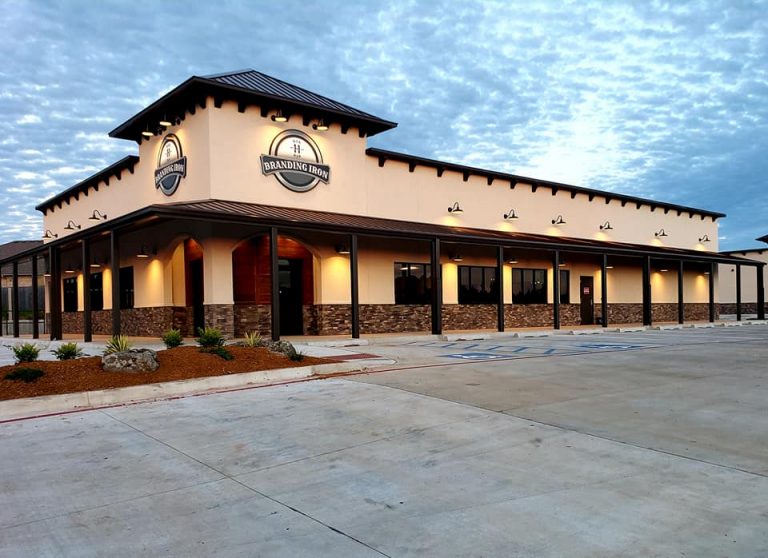
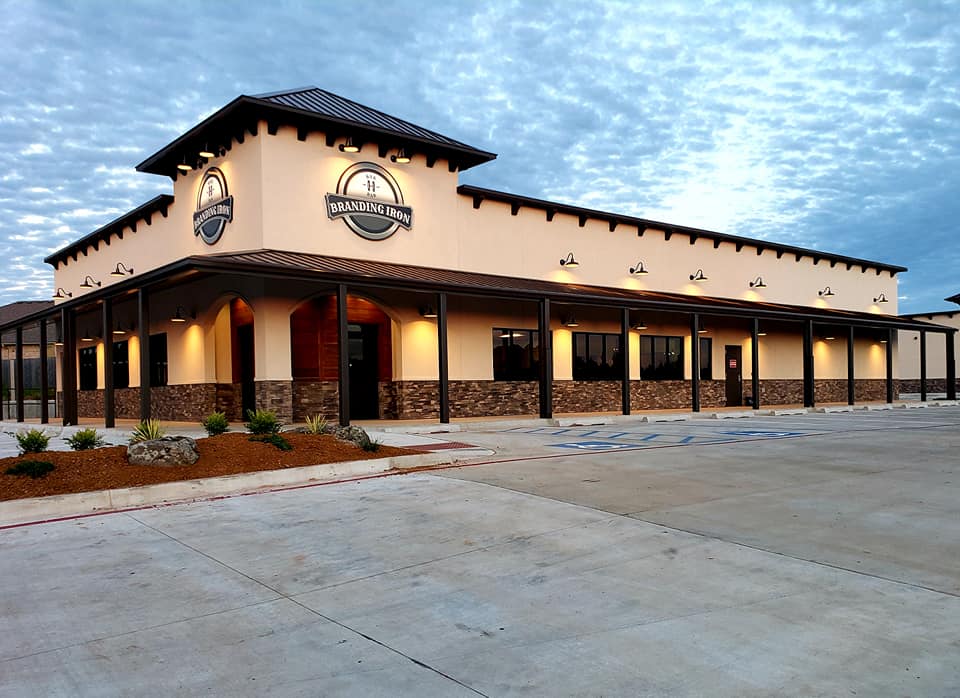
Branding Iron Steakhouse in Safford, AZ, is poised to capture the hearts and appetites of the local community. This analysis delves into the restaurant’s current standing, examining its unique selling propositions, competitive landscape, and digital marketing strategies. We’ll explore how the restaurant can optimize its offerings and customer experience to thrive in the Safford market.

From its menu and pricing to its target audience and brand identity, this comprehensive review provides a thorough understanding of the steakhouse’s position and potential for growth. We’ll explore its strengths and weaknesses, and consider opportunities for improvement.

Business Overview

Branding Iron Steakhouse in Safford, Arizona, is a family-friendly establishment specializing in premium steaks and a curated selection of American cuisine. It aims to provide a comfortable and inviting atmosphere where guests can savor high-quality food and enjoy exceptional service.

Target Audience

The restaurant targets a broad audience, including families, couples, and business professionals seeking a refined dining experience. Their focus on high-quality food and a relaxed atmosphere caters to those who appreciate a sophisticated yet approachable dining environment.

Unique Selling Proposition (USP)

Branding Iron Steakhouse differentiates itself through its focus on locally sourced, high-quality ingredients and expertly prepared steaks. The restaurant’s dedication to culinary excellence and exceptional service creates a unique dining experience that resonates with customers seeking both delicious food and a comfortable atmosphere.

History and Background

Branding Iron Steakhouse opened its doors in Safford in [Year], aiming to become a local favorite known for its exceptional steaks and inviting ambiance. The restaurant’s commitment to community involvement and supporting local farmers has solidified its position as a respected establishment in the area.

Ambiance and Atmosphere

The restaurant boasts a warm and inviting atmosphere, blending rustic charm with modern design elements. Comfortable seating arrangements and soft lighting contribute to a relaxed and convivial dining experience, suitable for both intimate gatherings and large groups.

Types of Food and Drinks Served

Branding Iron Steakhouse offers a wide array of American cuisine, including appetizers, salads, and sides alongside their signature steaks. A curated selection of wines and craft beers complements the menu, enhancing the overall dining experience. They also offer a kid-friendly menu, ensuring a delightful experience for all ages.

Pricing Strategy

The restaurant’s pricing strategy reflects the quality and preparation of its food. Steaks are priced based on their cut and weight, while other menu items offer a balance of value and quality. A well-defined pricing structure ensures a transparent and fair experience for all patrons.

Strengths and Weaknesses

  • Strengths: The restaurant’s strengths include a strong reputation for quality food, an inviting ambiance, and a focus on customer service. The restaurant’s commitment to locally sourced ingredients and the experience it creates sets it apart from competitors. Their well-defined menu, with options for various dietary needs, and the establishment of a loyal customer base further strengthen the restaurant’s position in the market.

  • Weaknesses: Potential weaknesses might include the need to adapt to changing consumer preferences and maintain consistent quality across all aspects of the operation. Maintaining staff consistency and ensuring all service standards are consistently met are key elements for improvement.

Menu

Dish Price
Sirloin Steak (6oz) $22
Filet Mignon (8oz) $28
Rib Eye Steak (10oz) $32
Grilled Salmon $20
Chicken Alfredo $16
Caesar Salad $10

Competitive Analysis

Branding Iron Steakhouse and Lounge | Safford AZ

Understanding the competitive landscape is crucial for Branding Iron Steakhouse’s success in Safford, AZ. A thorough analysis identifies key competitors, their pricing strategies, service levels, and marketing approaches, allowing Branding Iron Steakhouse to pinpoint its unique selling points and develop effective differentiation strategies.

Direct Competitors

Branding Iron Steakhouse likely faces competition from other steakhouses and restaurants offering similar cuisine in the Safford area. Identifying these direct competitors is essential for understanding market dynamics and crafting a winning strategy. Three potential competitors are: “The Grill,” “The Ranch House,” and “Joe’s Place.”

Pricing Strategies

Analyzing competitor pricing provides insights into market value perception. A comparison of menus and pricing structures reveals the relative value proposition each competitor offers. Branding Iron Steakhouse needs to evaluate its pricing to maintain competitiveness and attract customers, potentially considering factors such as portion sizes, ingredients, and service levels when comparing prices.

Service Levels

Evaluating service levels offered by competitors is critical to understanding customer expectations. The quality of service, including table turnover, wait times, staff attentiveness, and overall dining experience, directly influences customer satisfaction and loyalty. By analyzing competitors’ service standards, Branding Iron Steakhouse can refine its own approach to deliver an exceptional experience.

Unique Selling Propositions

Competitor unique selling propositions (USPs) highlight their distinct advantages and attract specific customer segments. These unique aspects could include specialized cuts of meat, specific culinary techniques, unique atmosphere, or unique dining experiences. Analyzing competitor USPs helps Branding Iron Steakhouse identify gaps in the market and develop its own compelling value proposition.

Marketing Strategies

Examining competitor marketing strategies provides insights into their approaches to reach and engage customers. These strategies might include social media marketing, local advertising, partnerships with local businesses, or special promotions. Branding Iron Steakhouse should consider how it can leverage similar marketing channels to reach a wider audience and increase visibility.

Differentiation Strategies

Differentiation from competitors is essential for establishing a unique position in the market. Branding Iron Steakhouse needs to pinpoint its unique selling points and create a compelling narrative that resonates with customers. This could include focusing on high-quality ingredients, exceptional service, a specific dining atmosphere, or special events.

Comparison Table

Metric Branding Iron Steakhouse The Grill The Ranch House Joe’s Place
Average Price Point (per entree) $25 $22 $28 $18
Service Style Upscale, attentive Casual, efficient Family-friendly, relaxed Quick-service, friendly
Unique Selling Proposition Premium cuts of beef, hand-cut fries Extensive selection of craft beers Large portions, great for families Locally sourced ingredients
Primary Marketing Strategy Focus on high-quality meats and service Highlighting their drink selection Family-oriented marketing Emphasizing fresh, local produce

Digital Marketing Strategies

Branding Iron Steakhouse in Safford, AZ needs a robust digital marketing strategy to attract customers and establish a strong online presence. This strategy will leverage various online channels to increase brand awareness, drive traffic to the restaurant, and ultimately boost sales. A well-executed digital marketing plan will be essential for competing effectively in a potentially saturated local market.

Online Presence and Marketing

A comprehensive online presence begins with a professional and user-friendly website. The website should clearly showcase the restaurant’s unique selling propositions, menu, hours, location, and contact information. High-quality images and videos of the food and ambiance are crucial for creating a compelling online experience. A strong call-to-action (CTA) is essential for guiding visitors towards desired actions, such as making reservations or ordering online.

Engaging with Online Customers

Customer engagement is key to building brand loyalty and fostering positive word-of-mouth. Implementing a system for promptly responding to online reviews, inquiries, and comments demonstrates a commitment to customer service. Offering interactive content, such as polls or quizzes, can increase customer engagement and encourage social sharing. Regularly updating social media platforms with engaging content, such as behind-the-scenes glimpses of the kitchen, chef spotlights, and customer testimonials, is also important.

Digital Marketing Tactics

Several digital marketing tactics can be employed to promote Branding Iron Steakhouse. Search engine optimization () is crucial for ensuring the restaurant appears prominently in search results. Social media marketing can build brand awareness, engage with customers, and drive traffic to the website. Targeted online advertising campaigns, such as those on platforms like Google Ads and Facebook Ads, can reach potential customers based on specific demographics and interests.

Email marketing can nurture leads and provide updates on promotions and events.

Website Optimization for Conversions

Optimizing the website for conversions involves strategically placing calls-to-action (CTAs) to encourage visitors to make reservations, order online, or contact the restaurant. Clear and concise website copy, high-quality images, and a mobile-friendly design are essential for a positive user experience. A streamlined reservation system or online ordering platform will significantly improve the conversion rate.

Local Strategies

Local is vital for restaurants targeting local customers. Claiming and optimizing Google My Business profile, including accurate business information, photos, and customer reviews, is a critical step. Encouraging online reviews and responding to them professionally is essential. Leveraging local directories and citation sites can increase online visibility.

Social Media Engagement

A well-defined social media strategy is crucial for interacting with potential customers. Consistent posting, responding to comments and messages, and running contests and giveaways can increase engagement. Use of relevant hashtags and engaging visual content can expand the reach.

Targeted Online Advertising Campaigns

Targeted online advertising campaigns, utilizing platforms like Google Ads and social media advertising, can reach specific demographics and interests. These campaigns can include location targeting, demographics, interests, and retargeting to increase visibility and drive conversions. Tracking campaign performance is essential to measure return on investment (ROI) and adjust strategies as needed.

Digital Marketing Channels and ROI

| Channel | Potential ROI ||——————-|——————————————————————————————————————————————–|| Search Engine Optimization () | Increased organic search traffic, leading to higher visibility and potentially higher revenue.

|| Social Media Marketing | Increased brand awareness, engagement, and potential for customer acquisition, potentially leading to higher sales.

|| Paid Advertising (Google Ads, Social Media) | Targeted reach to potential customers based on demographics and interests, often leading to a measurable return on ad spend. || Email Marketing | Nurturing leads, promoting special offers, and driving repeat business through email marketing, potentially leading to higher revenue and customer lifetime value.

|| Online Reviews & Reputation Management | Positive online reviews build trust and credibility, which can lead to higher customer acquisition and brand loyalty. |

Online Reviews and Reputation Management

Online reviews are a critical aspect of a restaurant’s reputation. Encouraging customers to leave reviews on platforms like Google, Yelp, and TripAdvisor can build trust and credibility. Monitoring and responding to reviews, both positive and negative, is essential for managing online reputation and showcasing a commitment to customer service.

Social Media Strategy

| Platform | Content Strategy | Engagement Strategy ||—————–|————————————————————————————————————————————————————————————————————–|———————————————————————————————————————————————————————————-|| Facebook | Share high-quality photos and videos of food, ambiance, events, and customer testimonials.

Run contests and giveaways to encourage engagement. | Respond promptly to comments and messages.

Engage in relevant conversations. Use Facebook ads to target specific demographics. || Instagram | Use high-quality images and videos to showcase the food, ambiance, and staff.

Use visually appealing stories to highlight daily happenings and promotions. | Engage with followers by responding to comments and messages.

Use Instagram Stories for interactive content and Q&As. Run Instagram ads to target specific demographics. || Google My Business | Maintain accurate business information, including hours, address, and contact details. Post updates, events, and photos.

Encourage customers to leave reviews. | Respond to reviews and questions promptly. Engage with customers through Google My Business posts.

|| Twitter | Share updates on new dishes, specials, events, and staff announcements.

Use relevant hashtags to increase visibility. Engage in relevant conversations. | Respond to tweets and messages promptly.

Engage with customers through retweets, mentions, and direct messages. |

Branding and Messaging

Branding Iron Steakhouse needs a strong, consistent brand identity to resonate with its target audience and stand out in the competitive Safford AZ market. A well-defined brand will not only attract customers but also foster loyalty and positive word-of-mouth marketing. This section delves into the current brand, potential improvements, and crucial aspects of brand consistency.

Current Branding and Messaging

Branding Iron Steakhouse’s current branding likely focuses on its prime steaks, potentially emphasizing quality ingredients and a classic steakhouse experience. Messaging might center around a “high-quality, reliable dining experience” aimed at both locals and tourists. However, without specific details on their marketing materials, this is speculative. A clear understanding of the current branding is essential for any improvements.

Improving Brand Identity

To enhance the brand identity, consider focusing on specific aspects that resonate with the target audience. This could include refining the restaurant’s personality – is it upscale, casual, or something else? Adding a unique selling proposition (USP) could set Branding Iron Steakhouse apart. Perhaps a focus on locally sourced ingredients, a unique cooking technique, or an exceptional service experience could be emphasized.

This would help distinguish the restaurant from competitors.

Importance of Brand Consistency

Brand consistency is vital for building recognition and trust. Consistent branding across all platforms, from the restaurant’s website and social media to its physical space, creates a unified customer experience. Inconsistencies can confuse customers and dilute the brand’s message. A cohesive brand identity fosters customer loyalty and builds a recognizable brand presence.

Successful Branding Strategies in the Restaurant Industry

Several restaurants have successfully employed effective branding strategies. For instance, renowned steakhouses often leverage high-quality imagery and descriptions of their preparation methods to showcase their commitment to premium ingredients. Other restaurants build a strong brand through storytelling, highlighting their history, values, and the people behind the restaurant. Understanding these strategies can provide inspiration for Branding Iron Steakhouse.

Conveying Values and Personality Through Branding

Brand identity should effectively communicate the restaurant’s values and personality. For instance, a commitment to sustainable practices could be showcased through highlighting locally sourced ingredients or environmentally conscious packaging. Emphasizing a warm and welcoming atmosphere through the decor and staff interactions can create a memorable experience. This approach creates an emotional connection with customers.

Current Brand Elements and Impact

Brand Element Description Impact
Logo Visual representation of the brand First impression, recognition
Color Palette Colors used in branding materials Evokes emotions, creates ambiance
Font Style Typography used in branding Adds personality, reinforces style
Slogan/Tagline Short, memorable phrase Summarizes brand essence, easy memorization
Restaurant Atmosphere Overall ambiance and decor Sets tone, creates experience
Staff Interactions Customer service style Creates positive perception, builds trust

Recommendations

Branding Iron Steakhouse can enhance its appeal and profitability by focusing on key areas, including menu improvements, increased customer interaction, streamlined operations, strategic partnerships, and a refined customer experience. By implementing these recommendations, the restaurant can bolster its brand loyalty and solidify its position in the Safford market.

Potential Menu Improvements

The steakhouse can consider expanding its menu beyond traditional steaks to include more diverse options. This could include vegetarian choices, seafood selections, and innovative sides. Incorporating seasonal ingredients can elevate the dining experience and appeal to a broader customer base. Offering smaller portions of popular items as appetizers can encourage exploration and lead to higher order frequency.

Additionally, highlighting a chef’s special or daily specials can generate excitement and drive repeat business.

Increasing Customer Engagement

Building strong customer relationships is crucial. Implementing a loyalty program, with tiered rewards based on spending, can incentivize repeat visits and foster a sense of appreciation for loyal customers. Utilizing social media effectively, sharing visually appealing photos and stories, and engaging with customers through interactive polls and contests can increase brand visibility and build a community. Implementing a customer feedback system, through online surveys or in-person questionnaires, can provide invaluable insights to identify areas for improvement and adapt to customer preferences.

Optimizing Operational Efficiency

Streamlining the ordering process, such as implementing a digital ordering system, can reduce wait times and improve the overall dining experience. Utilizing technology to manage inventory, track sales data, and optimize staffing schedules can increase operational efficiency and reduce costs. Effective communication between staff members, clear protocols for service, and standardized procedures for handling orders and reservations can ensure a consistent and smooth customer experience.

Implementing a system for tracking customer feedback from staff to management can facilitate better communication and decision-making.

Potential Partnerships and Collaborations

Collaborating with local farms or suppliers can source fresh, high-quality ingredients, showcasing the restaurant’s commitment to locally sourced products and enhancing the menu. Partnering with local businesses, such as hotels or attractions, can expand the customer base and create cross-promotional opportunities. Collaborating with local event organizers can offer special menus for events or host in-house events, potentially attracting new customers and increasing visibility.

Enhancing Customer Experience

Investing in staff training on customer service skills, including active listening and conflict resolution, can significantly improve the customer experience. Providing a welcoming atmosphere, with attentive service and prompt attention to customer needs, can enhance satisfaction and encourage positive reviews. Ensuring clean and well-maintained facilities, with a focus on hygiene and comfort, is crucial for a positive experience.

Creating a warm and inviting atmosphere, with comfortable seating, ambient lighting, and appropriate music, can elevate the dining experience.

Building Brand Loyalty

A key element of brand loyalty is providing exceptional service. Recognizing and rewarding loyal customers through exclusive offers, early access to special events, or personalized communication can create a strong sense of connection and encourage repeat business. Building trust with customers by upholding promises, responding to concerns promptly, and consistently exceeding expectations can foster long-term loyalty. Regularly communicating with customers through email newsletters, social media updates, or special offers can maintain engagement and create a sense of community.

Actionable Recommendations and Potential Impact

Recommendation Potential Impact
Implement a loyalty program with tiered rewards. Increased repeat business, enhanced customer retention, and improved customer perception.
Enhance the menu with diverse options and seasonal ingredients. Expanded customer base, increased order frequency, and enhanced dining experience.
Invest in staff training on customer service skills. Improved customer experience, reduced complaints, and enhanced brand reputation.
Optimize operational efficiency through technology implementation. Reduced wait times, improved accuracy, and enhanced overall operational efficiency.
Establish strategic partnerships with local businesses. Expanded customer base, increased visibility, and potential for cross-promotional opportunities.

Closure

In conclusion, Branding Iron Steakhouse Safford AZ presents a compelling opportunity for success. By strategically leveraging its strengths, addressing its weaknesses, and implementing the recommendations Artikeld, the restaurant can solidify its position as a premier dining destination in the area. The restaurant’s future success hinges on its ability to adapt to market trends and effectively engage with its target audience through robust digital strategies.

FAQ Insights

What are the hours of operation for Branding Iron Steakhouse?

Specific hours are not available in the Artikel. Contact the restaurant directly for their hours.

What types of side dishes are offered?

The Artikel does not list specific side dishes. Contact the restaurant directly to inquire about their side dish options.

Does Branding Iron Steakhouse offer catering services?

The Artikel does not specify if catering is available. Contact the restaurant directly to inquire about catering options.

Are reservations recommended or accepted?

The Artikel does not contain information about reservations. Contact the restaurant directly to learn about reservation policies.